
Navigating Accountability from Below

It’s Friday after work and your team is putting the Happy into Happy Hour. You’ve just completed a major project and you’re in such a good mood you don’t even flinch when your manager declares, “Teamwork makes the dream work!” You reach for that plate of chicken wings while summoning your best poker face. It’s not public knowledge that your team succeeded despite your own manager’s lack of leadership. As much as you’re enjoying this celebration, you know that a conversation with your boss about “pitching in” and “doing more” needs to happen. You decide that’s a Monday problem and order another round for the table. You plan to use your weekend to find the right words, but then catch this week’s newsletter of THE WORDS. Lucky you.

Here’s the thing. You have a good manager. They coach. They offer praise. More often than not the team benefits from their deep domain knowledge and practical experience. But this time their ball drop is making New Year’s Rockin’ Eve jealous. Whether it’s public knowledge or not, you know (which means your boss probably knows too) that the team felt let down. He missed meetings, delayed progress, and wasn’t fully engaged. Saying nothing contributes to a culture of one-dimensional relationships - relationships that can only sustain good news, high praise, and approval. This type of culture feels safe on the surface but is awfully shallow underneath. Trust that you can and should go deeper. Refuse to believe that humans (especially this human) are too fragile to handle a conversation like this. They aren’t.

Monday morning arrives as promised and your manager thanks you again for all your hard work. (Remember? You’ve got a good boss!) You dismiss the compliment and blurt out, “No thanks to you!” Ouch. An equally wrong response is, “Thanks. Couldn’t have done it without you, Boss. You’re amazing.” The first wrong thing is unnecessarily harsh. The second wrong thing is a lie and you’re better than that. Neither one of these conversations has anything to do with accountability; with the right words you can accept your manager’s appreciation while calling attention to the behaviors that could’ve derailed your team’s success.

Escort that proverbial elephant into your cubicle and offer them a giant cushion because this might take a minute. Holding our boss accountable feels like we are disrupting the natural order of things. Bosses do the accountability work; that’s why they’re the boss, right? Well… where is that written? Who said management is beyond reproach and that feedback should only flow one-way?
What if we reimagined feedback and sharing concern as a form of support instead of condemnation? What if holding leadership accountable was a vote of confidence in them instead of overlooking their bad behavior because of their place on the org chart? Here are a few promising Words to help you get this critical conversation started:
“I really appreciate your recognition, Richard. I admit, this was a difficult project. I’ve been thinking about what could have made it a bit easier on the team and wonder if you’d be open to hearing a few ideas?”
“Thanks. I learned a lot on this project but admit that it felt different than the last one. I didn’t sense as much collaboration as I wish we could have had. What did you think?”
“Thanks, Richard. The team really worked hard on Phase I. Before we begin the next phase, could we clarify roles and responsibilities to ensure that we have the talent and focus we need to meet the project’s goals and deadline?”
“Richard, something hasn’t quite felt right since the project’s wrap party. You have always encouraged us to be honest with you and I think this is one of those times that I will need to. There were times where we…I… really needed your input and guidance on this project but didn’t get enough of it. I sent questions to you in email, stopped by your office to bring concerns to your attention, and scheduled meetings to review the biggest risks to our deadlines. You either didn’t respond, canceled the meetings, or multitasked your way through any time we did have together. I know you are super busy juggling multiple priorities, but your leadership matters to us. This isn’t how I have come to know you. What made this time so different?”
These responses offer your boss a reminder that you’re a leader in your own right and that you are invested in their success just as they are invested in yours. Assume goodness. Encourage a dialogue. Share examples of when you felt let down by their inaction. Get clarity on what they think their role is and what you need it to be the next time. If this manager is truly one of the good ones they will feel equal parts remorse that they let you down and pride that they’ve created a team culture where you felt safe telling them so.


"In the years I've been thinking and talking about leadership, I've come to realize that the desperate need for accountable leaders is the fundamental challenge organizations are facing today.”
Vince Molinaro, Author, Accountable Leaders; The Leadership Contract

"Effective leadership demands courage: the courage to speak up and address difficult issues, even with superiors."
Padmasree Warrior, Business & Technology Executive; former Chief Technology Officer, Cisco

“Strong leaders engage their critics and make themselves stronger. Weak leaders silence their critics and make themselves weaker. This reaction isn’t limited to people in power. Although we might be on board with the principle, in practice we often miss out on the value of a challenge network.”
Adam Grant, Author, Think Again: The Power of Knowing What you Don’t Know

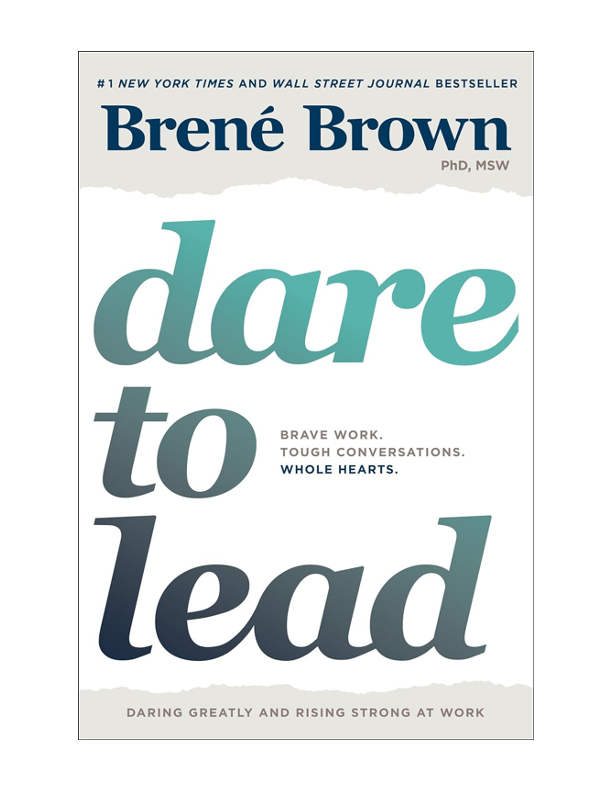
Don’t stop now! Learn more from a few of our personal favs below:


Disclosure: The resources shared and listed by KKL & Co. are those that have been evaluated to be of high value to our leaders. We are proud affiliates for some of these resources, meaning if you click a link and make a purchase, we earn a nominal commission at no extra cost to you. Please don’t spend any money on these resources unless you believe they will help you become a better human.
